
Attic Water Damage in Denver: Detecting & Fixing Hidden Leaks
For many Denver homeowners, the attic is an “out of sight, out of mind” space. It stores holiday decorations and old keepsakes, often going visited for months at a time. However, this lack of traffic makes it the perfect hiding spot for one of the most destructive forces in a home: hidden water damage.
In Denver, CO, our unique climate contributes significantly to roof stress. From the heavy snow loads of winter to the intense hailstorms of summer, your roof takes a beating year-round. When these weather events compromise your roofing materials, water can silently seep into your attic, causing extensive damage long before you notice a stain on your ceiling.
At RestoreCo, we specialize in detecting and addressing these hidden issues. As a locally owned and operated restoration company, we understand the specific challenges Denver homes face. This guide will help you understand the causes, risks, and solutions for attic water damage.
Common Causes of Attic Water Damage in Denver
Denver’s weather patterns can create multiple pathways for moisture to reach the attic.
Roof Damage from Severe Weather
Denver’s weather is unpredictable. Hailstorms can crack shingles, while high winds can lift them entirely, exposing the underlayment. Even minor damage can allow water to penetrate during the next rainstorm or snowmelt.
Ice Dams
During winter, heat escaping from your home can melt snow on your roof. This water runs down to the colder eaves and refreezes, forming a dam of ice. As water backs up behind this dam, it can be forced under shingles and into your attic. This is a frequent cause of hidden leaks that requires immediate attention to prevent structural rot.
Condensation and Poor Ventilation
Not all water damage comes from the outside. If your attic lacks proper ventilation, warm, moist air from your living space can rise and become trapped. In winter, this moisture condenses on cold roof sheathing, leading to “attic rain” or frost accumulation. Over time, this consistent moisture can saturate insulation and encourage mold growth.
Flashing Failures
Flashing is the metal material installed around chimneys, vents, and skylights to direct water away from seams. Over time, sealants can dry out and crack, or the metal itself can rust or bend, creating direct pathways for water to enter your attic.
The Hidden Risks of Ignoring Attic Leaks
Even small attic leaks can lead to bigger issues—often before you notice visible symptoms.
Structural Damage
Your attic structure is primarily wood. When roof trusses, rafters, and joists are exposed to constant moisture, they begin to rot. This compromises the structural integrity of your roof, potentially leading to sagging or, in extreme cases, collapse.
Compromised Insulation
Insulation works by trapping air pockets. When fiberglass or cellulose insulation gets wet, it clumps together and loses its R-value (thermal resistance). This means your heating and cooling systems have to work harder, leading to higher energy bills. Furthermore, wet insulation is difficult to dry and often requires professional removal and replacement.
Mold Growth
Mold needs three things to grow: moisture, organic material (like wood or drywall), and warmth. A leaky attic provides all three. Mold can begin to grow within 24 to 48 hours of water exposure. Once established, spores can travel through your HVAC system, affecting the indoor air quality of your entire home. If you suspect growth, professional mold remediation is essential to ensure it is safely and completely removed.
Fire Hazards
It may seem counterintuitive, but water leaks can cause fires. If water drips onto electrical wiring in your attic, it can cause shorts or sparks, posing a serious safety risk to your household.
How to Detect Hidden Attic Leaks
Inspect Your Attic Regularly
Aim to check your attic at least twice a year—once before winter and once in spring—and after any major storm. Bring a flashlight and look for:
- Dark stains on the underside of the roof sheathing.
- Rust on nails or metal fasteners.
- Matted or wet insulation.
- Wood rot or soft spots on trusses.
- Daylight peeking through the roof boards (indicating a hole).
Check Your Ceilings and Walls
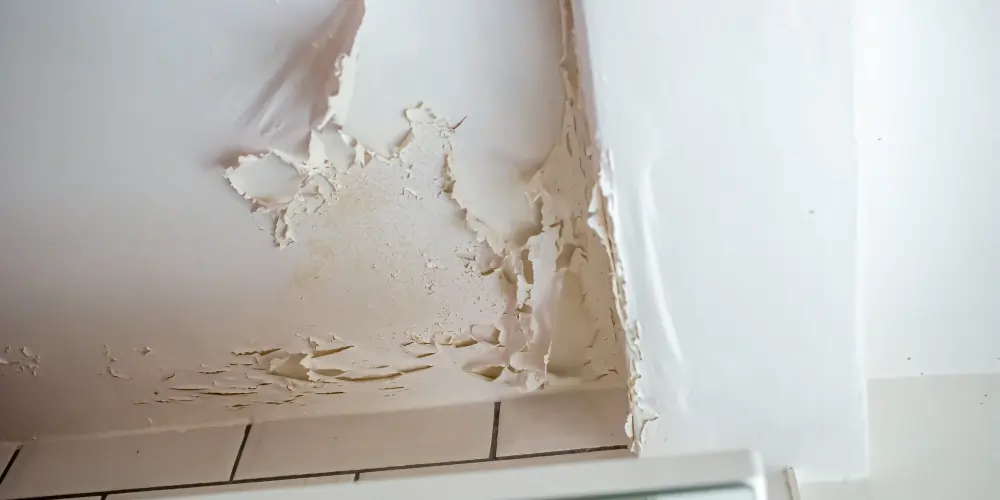
Inside your living space, look for bubbling paint, peeling wallpaper, or faint brown rings on the ceiling. These are classic signs that water has traveled from the attic down to your drywall.
Monitor Your Energy Bills
A sudden, unexplained spike in heating or cooling costs could indicate that your attic insulation has gotten wet and lost its efficiency.