
Can Heavy Rain Cause Mold? What Colorado Homeowners Should Know
If your home experienced heavy rain, flooding, or a plumbing leak, mold is one of the biggest concerns in the days that follow. Mold can begin growing within 24 to 48 hours anywhere moisture remains trapped, even if there isn’t any visible standing water. In this guide, we’ll cover why mold develops after rain, the areas of your home that are most at risk, the early warning signs to look for, and how prompt water damage restoration can help prevent an expensive mold problem.
Can Heavy Rain Really Cause Mold?
Yes, heavy rain can cause mold. Mold needs three things to grow: moisture, something organic to feed on, and a little time. Heavy rain delivers the moisture, your home supplies the food in the form of drywall, wood, carpet, and insulation, and mold does the rest. Once water seeps in and sits, spores that are always floating in the air settle onto damp surfaces and start colonizing fast. Per the EPA guide to mold and moisture explains that wet materials should be dried within 24 to 48 hours to keep mold from taking over.
Plenty of Colorado homeowners assume our dry, semi-arid climate makes mold a non-issue. Out in the open air, that is mostly true. The trouble is that basements, crawl spaces, and behind-the-wall cavities do not care what the humidity reads outside. When rainwater or snowmelt gets trapped in those dark, still spaces, it lingers for days and creates exactly the damp pocket mold loves. So the real question is not whether it can rain hard enough here. It is whether the water that gets in has anywhere to dry out.
Key Takeaways: Can Heavy Rain Cause Mold?
- Mold needs moisture, organic material, and time, and heavy rain supplies the moisture.
- Mold can start growing within 24 to 48 hours of materials getting wet.
- Colorado dry air does not protect trapped, poorly drained spaces like basements and crawl spaces.
How Mold After Flooding Starts in Colorado Homes
Mold after flooding almost always traces back to where water finds its way inside. In most Colorado homes, the usual entry points are foundation and basement wall seepage, window wells that overflow, a sump pump that quits during the worst of a storm, and crawl spaces that collect groundwater from below. Any one of these can leave standing water or saturated materials that stay wet long after the sky clears.
A few things about living on the Front Range make the risk worse. Spring snowmelt pours off the foothills and saturates ground that is already full. Summer brings fast, heavy monsoon downpours that drop more water than the soil can absorb in a hurry. Our expansive clay soils swell and shift, which opens up foundation cracks for water to follow; and many older lots were graded to drain toward the house instead of away from it. Put those together and even a solid home can take on water in the wrong storm. Crawl spaces are a common hot spot, so if yours holds water, our flooded crawl space cleanup team can dry it out before mold sets in.
Key Takeaways: How Mold After Flooding Starts
- Water usually enters through foundation seepage, window wells, sump failures, and crawl spaces.
- Front Range snowmelt, monsoon downpours, clay soils, and poor grading all raise the risk.
- Trapped water that cannot dry is what turns a flood into a mold problem.
Water Damage Mold: Warning Signs to Watch For
Water damage mold does not always announce itself with an obvious black patch on the wall. More often the first clue is your nose. A persistent musty, earthy smell, especially in a basement or near the floor, usually means moisture and mold are already at work somewhere you cannot see. Trust that smell even when everything looks fine.
From there, look for visible growth or staining in shades of black, green, gray, or white, plus discoloration that spreads or returns after you wipe it. Warped, cupping, or soft flooring, bubbling paint, and swollen baseboards all point to moisture underneath. Indoor air that feels sticky or a window that fogs up can signal the same thing. Your body may notice before your eyes do, so pay attention to allergy-like symptoms, coughing, or headaches that ease when you leave the house and flare when you return. After any heavy rain, check the low spots first: basement corners, behind baseboards, under flooring, inside closets on exterior walls, and down in the crawl space.
Key Takeaways: Water Damage Mold Warning Signs
- A lingering musty smell is often the earliest sign, even before you see growth.
- Watch for staining, warped materials, sticky humidity, and allergy-like symptoms that ease away from home.
- After heavy rain, inspect basement corners, baseboards, flooring, and the crawl space first.
What to Do After Heavy Rain or Flooding
When water gets into your home, the clock starts right away, so a fast, calm response makes all the difference. Start with safety. Keep away from any water that has touched outlets, wiring, or your electrical panel, and shut off power to the affected area if you can do it safely. Next, find and stop the source when possible, whether that means closing a valve on a burst line or clearing a blocked window well.
Before you move or toss anything, photograph and video the damage from every angle. Good documentation protects you when it is time to file, and we can walk you through the insurance claim process so nothing gets missed. Then start drying immediately. Move wet belongings out, pull up soaked rugs, open windows on a dry day, and run fans and a dehumidifier around the clock.
A small, clean spill you catch early is often a do-it-yourself job. Standing water, water that has soaked into walls or subfloor, or anything involving sewage or groundwater is not. In those cases, professional water damage restoration dries the space to the studs with commercial equipment before mold ever gets a foothold.
Key Takeaways: What to Do After Flooding
- Stay clear of water near electrical hazards, then stop the source if it is safe to do so.
- Photograph everything before cleanup to support your insurance claim.
- Dry the space fast, and call a pro for standing, soaked, or contaminated water.
When to Call a Professional for Mold Remediation
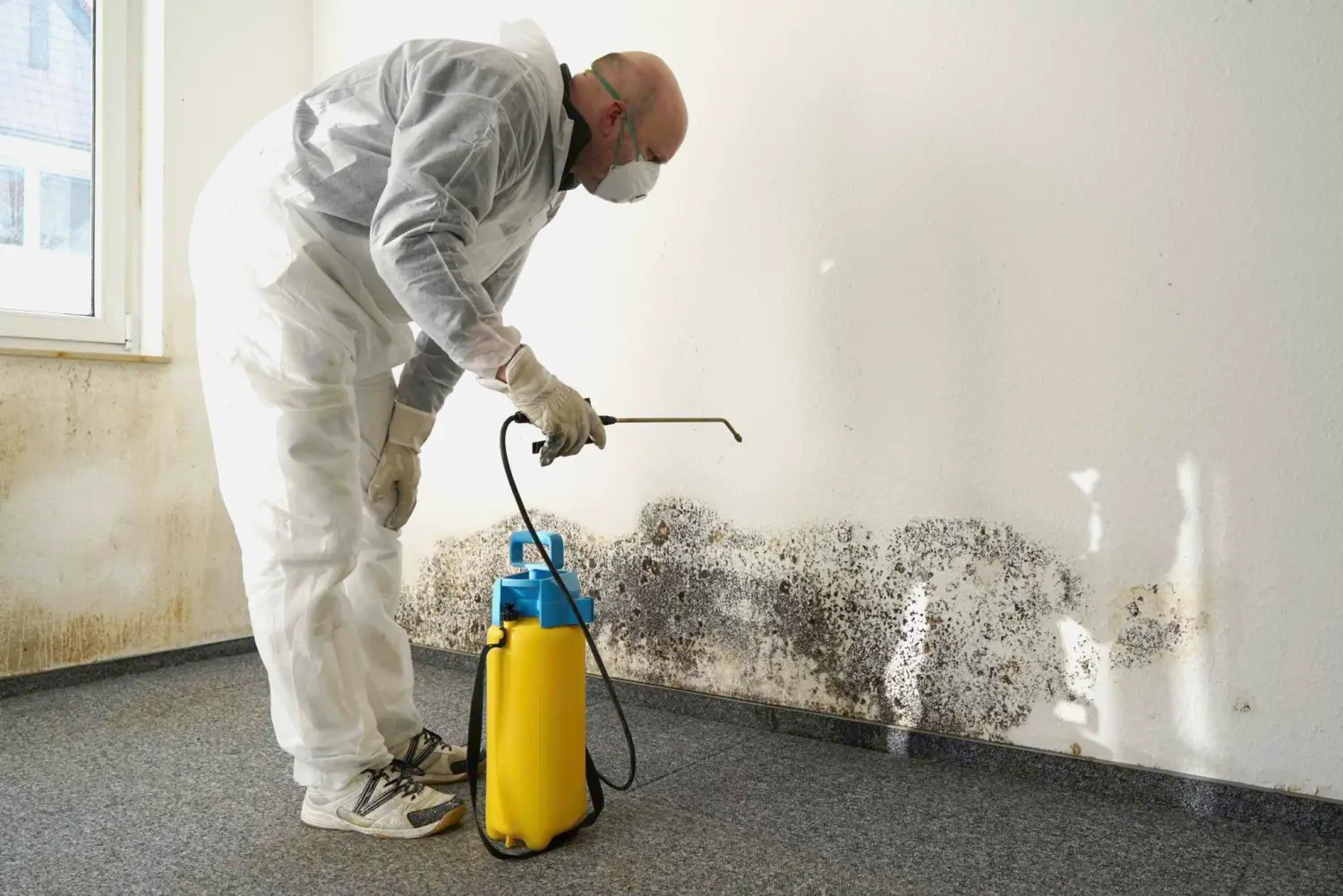
Some mold you can handle with gloves, a mask, and a good cleaner. But a few situations call for a professional every time. The EPA suggests bringing in a pro when mold covers more than roughly ten square feet. The same goes for any mold in your HVAC system, since the ducts can spread spores through the whole house, and for growth that follows gray or black water, which carries contamination a household cleaner cannot handle. If mold keeps coming back after you clean it, that is a sign the moisture source is still active and needs to be found.
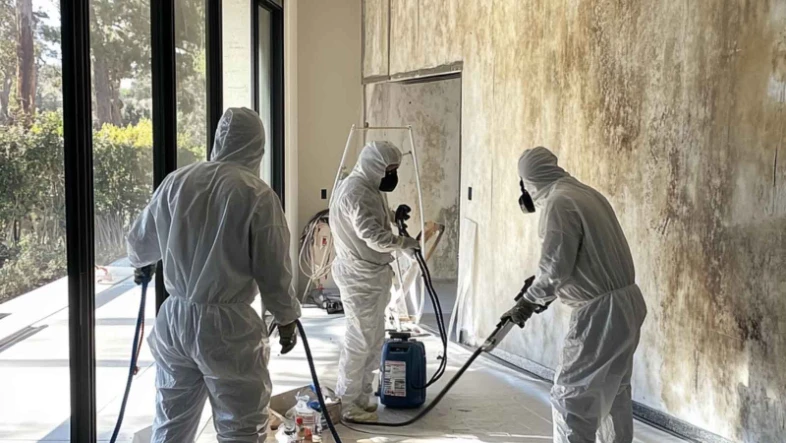
Professional mold remediation is about more than scrubbing a surface. A trained crew seals off the area, removes affected materials safely, dries the space completely, and corrects the moisture problem so the mold does not return. A little prevention goes a long way too. Regrade soil so it slopes away from the foundation, keep gutters and downspouts clear and extended, test your sump pump before storm season, and control indoor humidity.
If a storm left water behind and you are worried about what is growing, don’t wait it out. Contact us today for a convenient estimate for mold remediation in your Colorado home, and call (303) 868-1568 for a fast response.