

Fire season in the Denver metro area and surrounding Front Range communities does not wait for summer. By May, Colorado’s dry air, warming temperatures, and seasonal winds dramatically increase fire risk for homeowners in Golden, Arvada, Lakewood, and Jefferson County—and those same Chinook winds that make spring feel pleasant can carry embers from a nearby wildland event directly onto your roof.
This guide covers two things: practical home fire prevention tips tailored to Golden-area homeowners, and a clear plan for what to do if a fire happens; including why professional fire damage restoration is the only effective path to full recovery.
Why Fire Risk Peaks in the Denver Area Every Spring
Colorado is one of the most fire-prone states in the country, and the Front Range corridor is no exception. Several overlapping factors make May through September a period of elevated fire danger for residential properties in Golden and the surrounding communities.
One of the biggest contributors to the state’s heightened fire risk is the weather. Colorado’s semi-arid climate means spring warming dries out grasses and accumulated debris quickly. Strong downslope Chinook winds carry firebrands across significant distances—landing on rooftops, in debris-filled gutters, and against wood fencing that was never designed with ember resistance in mind. This issue has become so critical that the Colorado Division of Fire Prevention and Control has found that at least 40 percent of Colorado wildfires originated in or adjacent to the wildland-urban interface; or the zone where development meets undeveloped land. Unfortunately, a significant portion of Golden and the foothills communities fall within this zone.
Interior hazards matter just as much. Kitchen fires account for nearly half of all home fires nationally, and electrical fires are the leading cause of fire fatalities. Fire season awareness has to include both your yard and your home.
Key Takeaways: Why Fire Risk Peaks in the Denver Area Every Spring
- Colorado’s dry climate and Chinook winds create elevated fire conditions starting in May, with firebrands capable of traveling from wildland areas into Golden-area neighborhoods.
- Interior hazards like kitchen and electrical fires remain the leading cause of residential fire losses and require equal attention alongside exterior fire season preparation.
Home Fire Prevention Tips for Golden-Area Homeowners
Fire prevention starts inside the home and continues outside with defensible space and ember-resistant preparation.
Five Critical Fire Safety Habits
- Never leave the stovetop unattended while cooking. Unattended cooking is the leading cause of home kitchen fires.
- Address electrical warning signs immediately, including warm outlets, tripping breakers, flickering lights, or burning odors near panels and appliances.
- Clean your dryer duct at least once per year and confirm the exterior vent cap opens freely.
- Keep space heaters at least three feet from flammable material and plug them directly into a wall outlet. Never use a power strip.
- Test every smoke detector and CO alarm, replace batteries, and replace any unit older than 10 years, per NFPA guidelines.
Reduce Ember and Exterior Fire Risk
The NFPA’s Firewise USA program recommends a minimum 30-foot defensible space zone around your home where combustible vegetation and materials are reduced. In the first five feet adjacent to your foundation—known as the ignition zone—it’s recommended that there be no combustible materials present at all.
- Clean gutters of dry debris before and throughout fire season.
- Move firewood and combustible storage at least 30 feet from your home’s exterior walls.
- Trim tree branches to at least 10 feet above ground level within 30 feet of your home.
- Cover vents and eave openings with ember-resistant mesh.
Key Takeaways: Home Fire Prevention Tips for Golden-Area Homeowners
- The highest-leverage interior prevention steps are stovetop supervision, electrical hazard awareness, dryer duct cleaning, and keeping smoke detectors current.
- Clearing combustibles within 30 feet and securing ember entry points is the most effective exterior protection strategy for Golden and foothills homeowners.
What to Do Immediately After a House Fire
If you’ve experienced a house fire, be sure to call 911 to ensure that every flame is out and that all embers are contained. Do this step even if you believe the fire to be out.
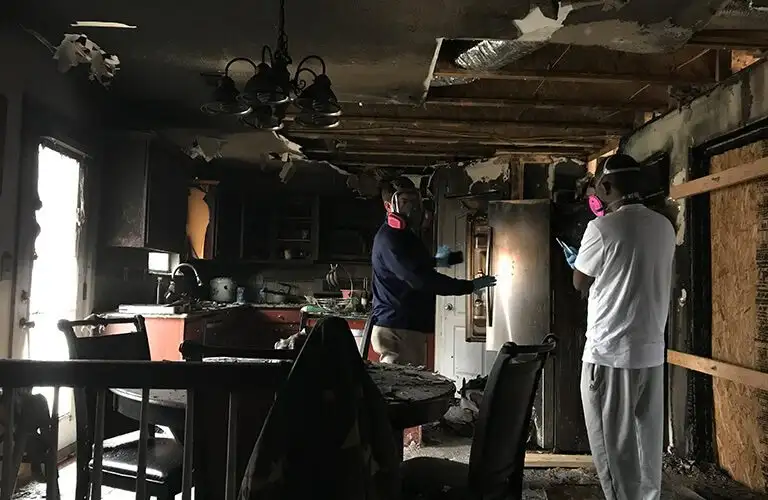
Once you get professional confirmation that the burned area is no longer a risk, grab your personal protective gear—like rated N-95 masks, gloves, and coveralls—before setting foot on the premises. The EPA’s indoor air quality guidance confirms that smoke residue and soot contain carbon monoxide, formaldehyde, and fine particulate matter that pose serious health risks well after a fire is extinguished.
Once you are clear of the structure and you’ve attempted to recover any valuables, you should:
- Call 911. The fire department’s incident report is documentation you will need for your insurance claim.
- Contact your homeowners insurance provider immediately. Most policies require prompt notification.
- Do not discard any fire-damaged materials before your adjuster documents them. All damaged contents are part of your claim.
- Photograph and video all visible damage from a safe vantage point before any cleanup begins.
- Call a professional fire damage restoration company right away to protect what’s left of your belongings.
Key Takeaways: What to Do Immediately After a House Fire
- Do not re-enter until cleared by the fire department. Document everything, notify your insurer immediately, and call a restoration company the same day.
- Secondary smoke and water damage accelerates rapidly— professional stabilization within the first 24 hours significantly reduces total restoration cost.
Why Professional Fire Damage Restoration Matters
Not a Surface Problem
Smoke and soot are not surface problems. Fine combustion particles penetrate wall cavities, ductwork, and porous building materials within hours and bond chemically—which means they cannot be removed by surface cleaning or consumer-grade products. Professional restoration uses thermal fogging and hydroxyl technology to neutralize odor compounds at the molecular level.
Mold Risk Starts Quickly
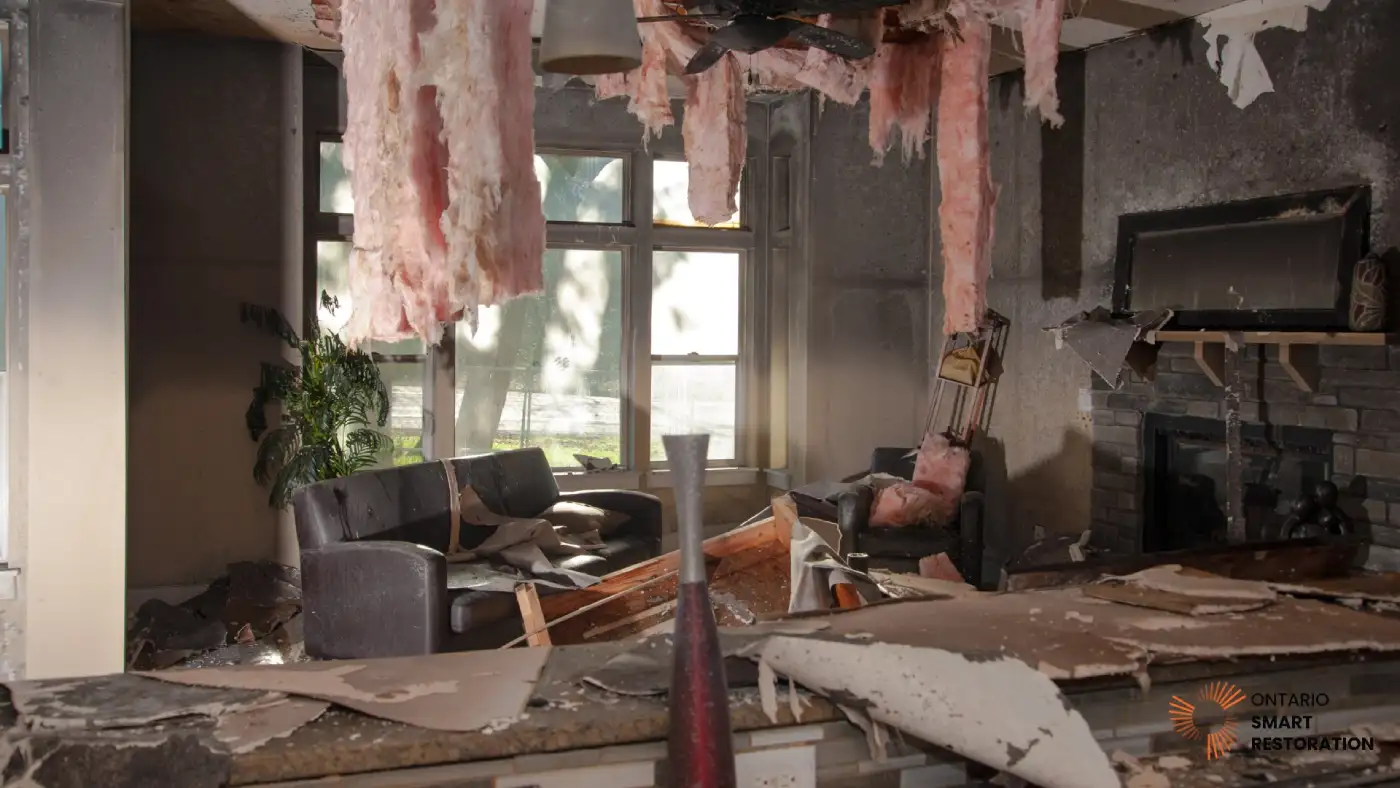
Even if your structure is intact, suppression water saturates structural materials quickly and creates mold conditions within 24 to 48 hours without professional extraction and drying. Fire and flooding damage that appears cosmetic often involves structurally weakened framing beneath the surface—issues a professional assessment identifies before reconstruction begins, preventing costly failures later.
More May Be Salvageable Than You Think
Despite the stress that a recovery job can cause on a home, we do want to encourage homeowners: The scope of recoverable loss is also larger than most expect. Many belongings that appear destroyed can be restored through professional pack-out cleaning. However, attempting to sort or clean contents inside a smoke-damaged structure without proper equipment typically results in additional contamination and permanent loss of items that were salvageable.
Key Takeaways: Why Professional Fire Damage Restoration Matters
- Smoke and soot bond chemically with building materials and require professional-grade treatment; not surface cleaning.
- Suppression water creates immediate mold risk. Professional extraction and drying within 24 hours prevents mold from becoming a secondary restoration scope.
Fire Damage Restoration in Golden, CO: RestoreCo Is Ready to Help 24/7
RestoreCo provides fire damage restoration throughout Golden, Arvada, Lakewood, Westminster, and the broader Denver metro area. Our certified technicians respond around the clock—because the cost of delayed response is measured in deeper soot penetration, more extensive water damage, and preventable mold.
Our current scope of fire restoration services in Golden currently includes:
- Emergency response and full damage assessment for insurance documentation
- Board-up and temporary structure protection
- Water extraction and structural drying to industry standards
- Soot and smoke cleaning using residue-appropriate methods on all surfaces and ductwork
- Odor elimination using thermal fogging and hydroxyl treatment
- Contents pack-out, professional cleaning, and storage during restoration
- Direct insurance coordination from day one through project completion
Facing fire restoration? You don’t have to face it alone. Contact us today for a convenient estimate for fire damage restoration in Golden, CO: (303) 868-1568. We also handle fire damage restoration in Arvada, fire damage restoration in Denver, and restoration services across Jefferson County. Additionally, our insurance claim process page explains how we work directly with your adjuster so you don’t have to manage the paperwork alone.
Frequently Asked Questions About Home Fire Safety in Golden, CO
Does homeowners insurance cover wildfire damage in Golden?
Standard policies typically cover fire damage from both structure fires and wildfire events, including ember cast. Coverage limits and exclusions vary—so we recommend that you review yours before a loss occurs, and confirm limits reflect current Jefferson County rebuild costs. RestoreCo coordinates directly with insurers through our insurance claim process.
Can smoke from a neighbor’s fire damage my Golden home?
Yes. Smoke from a neighboring fire can infiltrate your HVAC system and deposit soot on interior surfaces even if your home is not directly involved. If you notice persistent odor, visible residue, or air quality issues following a nearby fire, a professional assessment is warranted.
How long does fire damage restoration take?
Timelines vary with scope. A limited kitchen fire may be restorable in one to two weeks. A structural fire involving multiple rooms and contents pack-out can take several months. RestoreCo provides a documented timeline after the initial assessment; not before.
Protect Your Home This Fire Season — Call RestoreCo If the Worst Happens
Golden and the surrounding Front Range communities face elevated fire risk every spring. The prevention steps in this guide are all within reach before fire season peaks—and if a fire does happen, RestoreCo’s certified team is available 24/7 to respond immediately and manage the full restoration.
Call RestoreCo at (303) 868-1568, or contact us online for a convenient fire damage restoration estimate in Golden, Arvada, Lakewood, or anywhere in the greater Denver metro area.