
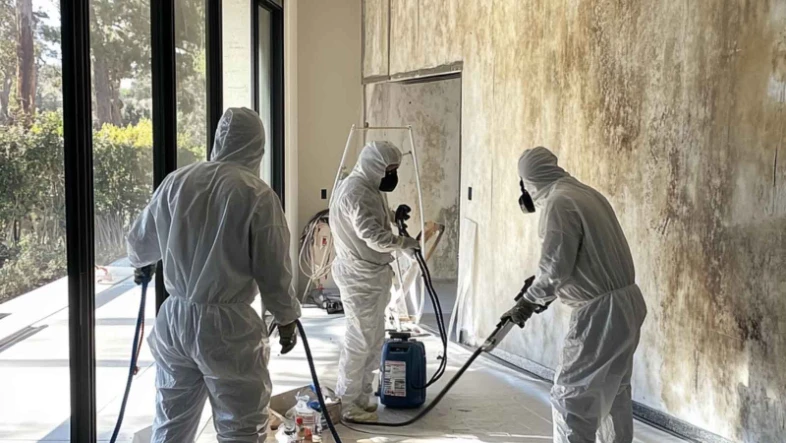
Hiring a Restoration Contractor? Ask These 7 Questions First
Water, fire, or mold damage rarely happens at a convenient time, and the decisions you make in the first hours can have a lasting impact. Many Colorado homeowners find themselves choosing a restoration contractor while dealing with stress, property damage, and the pressure to act quickly—exactly when the wrong choice can make a difficult situation worse. Asking the right questions before hiring a restoration company can help you understand their experience, process, and qualifications. Here are seven questions every Colorado homeowner should ask a restoration contractor before signing on, along with the answers you should expect from a trusted professional.
1. Are You Licensed, Bonded, and Insured?
This is the first filter for any restoration contractor, and the answer should come without hesitation. A license shows the company meets state and local requirements to do the work. Bonding protects you if the job is left unfinished or done poorly. Liability and workers compensation insurance means you are not on the hook if a crew member gets hurt on your property or something gets damaged during the work. Ask for proof, not just a yes. A reputable company will hand over copies of current certificates without any pushback. If someone gets vague, changes the subject, or tells you paperwork is not necessary for a small job, treat that as your cue to keep looking. Verifying coverage takes minutes and can save you from an expensive problem later.
Key Takeaways: Are They Licensed, Bonded, and Insured?
A qualified restoration contractor carries a current license, a bond, and liability and workers compensation insurance, and will show proof on request. Any hesitation to verify coverage is a red flag.
2. Are Your Technicians IICRC Certified?
Anyone can buy a fan and call themselves a restoration company, so certification is how you separate trained crews from amateurs. The IICRC sets the industry standards for water, fire, and mold work, and its certifications show that technicians have been trained and tested on how to do the job safely and correctly. That training matters more than most homeowners realize. Improper drying can leave hidden moisture that turns into mold, and the wrong cleaning method can drive smoke and soot deeper into a home. When you ask this question, you want to hear that the crew actually on your job holds current certifications, not just that the company is aware of them. Certified technicians should be your baseline, not a premium upgrade. If a contractor cannot speak clearly about their crew credentials, that tells you plenty about the work you would get.
Key Takeaways: Are Technicians IICRC Certified?
IICRC certification proves technicians are trained to industry standards for water, fire, and mold work. Insist that the crew on your job, not just the company, holds current certifications.
3. How Quickly Can You Respond in an Emergency?
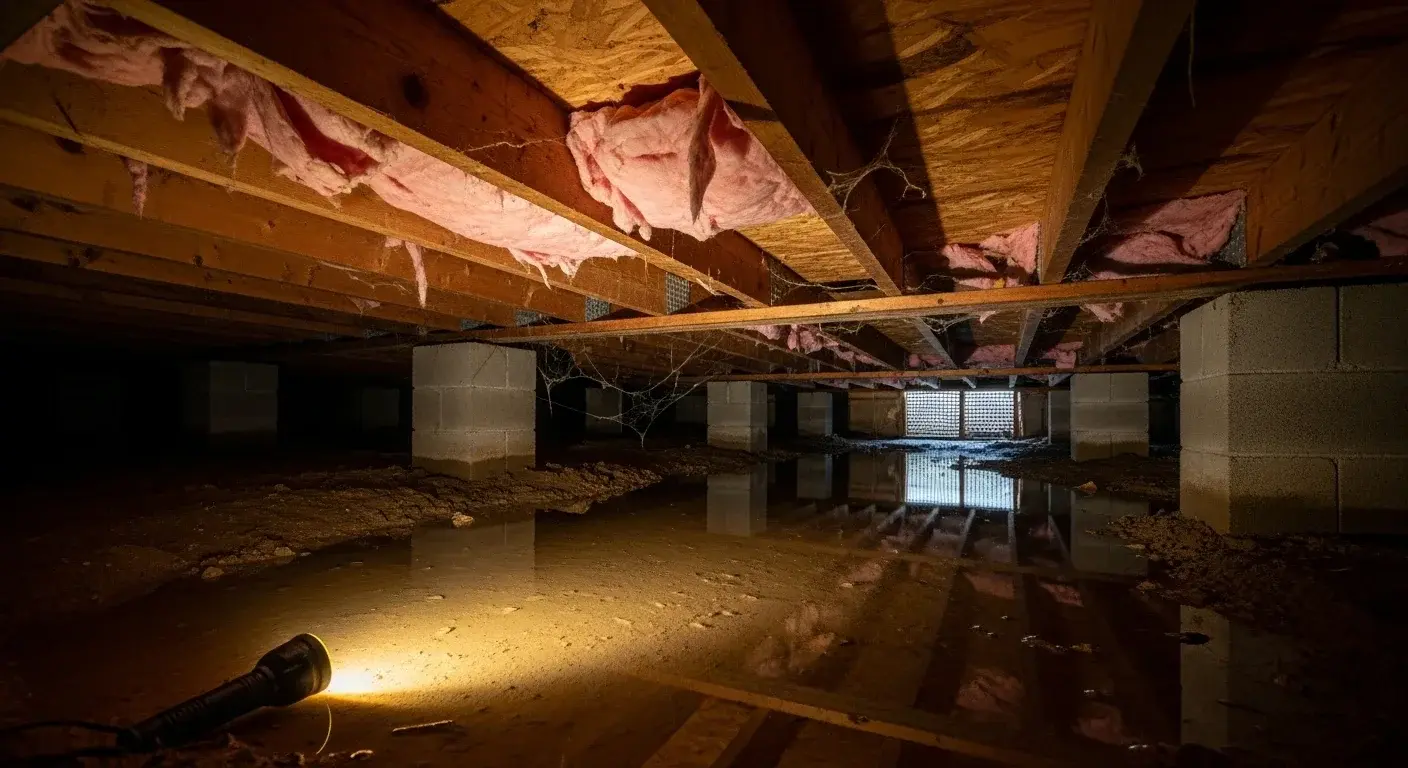
With water and fire damage, every hour counts. Mold can start growing within 24 to 48 hours, drywall keeps wicking water upward, and soot becomes harder to remove the longer it sits. A restoration contractor who cannot get to you fast is not much help in an emergency. Ask whether they offer true 24/7 service and what their typical response time is in your area. You want a concrete answer, like crews on site within an hour or two, not a vague promise to get there soon. Local matters here too. A contractor based in or near the Denver metro can reach a Front Range home far faster than one dispatching from across the state. When you call, notice who answers, because reaching a real person who can send help beats an after-hours voicemail every time.
Key Takeaways: How Fast Can They Respond?
Damage worsens by the hour and mold starts within 24 to 48 hours, so choose a restoration contractor offering true 24/7 service with a concrete, local response time.
4. Do You Handle Water, Fire, and Mold Damage In-House?
Damage rarely stays in one category. A burst pipe leads to soaked drywall, which leads to mold, which leads to reconstruction. When one company handles the full process in-house, you avoid the delays and finger-pointing that happen when work gets passed between separate subcontractors. Ask whether the contractor covers everything from the first day of mitigation through the final repairs. A full-service team can move straight from water damage restoration into drying, then handle mold remediation and rebuilding without you having to line up three different crews. That continuity keeps your timeline tight and gives you one point of accountability if anything goes wrong. If a company only does part of the job and hands off the rest, ask exactly who does what, and who stands behind the finished result.
Key Takeaways: Do They Work In-House?
A full-service restoration contractor handles mitigation, drying, remediation, and repairs in-house, which prevents handoff delays and gives you one point of accountability.
5. Will You Work Directly With My Insurance Company?
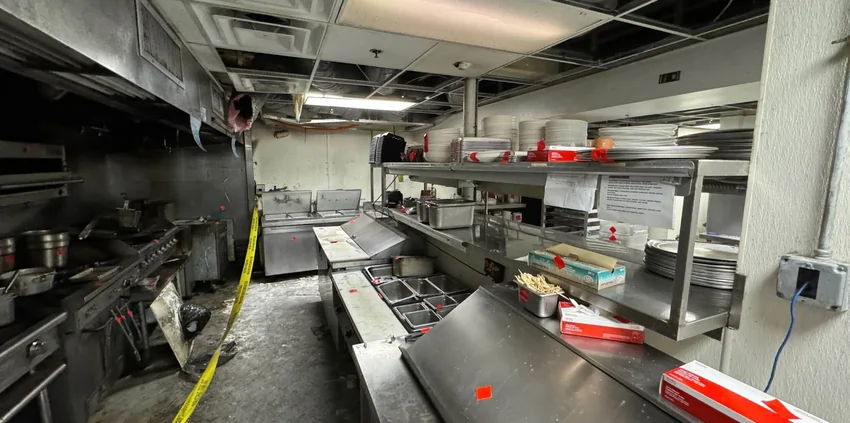
Most restoration jobs run through a homeowner insurance claim, and the process can be overwhelming when you are already dealing with damage. A good contractor makes it easier. Ask whether they document the loss in detail, provide photos and itemized estimates, and communicate directly with your adjuster. That documentation supports your claim and helps you avoid paying out of pocket for covered work. A contractor who understands the insurance claim process can be a real advocate on your behalf. At the same time, watch for warning signs. Anyone who pressures you to skip filing a claim, offers to waive your deductible, or pushes an inflated scope is putting you at risk, not helping you. You want a partner who works with your insurer honestly, keeps you informed, and lets you stay in control of the decisions.
Key Takeaways: Will They Work With Insurance?
The right restoration contractor documents the loss and works directly with your adjuster to support your claim. Avoid anyone who pushes you to skip the claim or inflate the scope.
6. Can You Share References, Reviews, and Recent Projects?
A restoration contractor worth hiring has a track record and is happy to show it. Ask for recent references you can actually call, and check independent reviews on sites the company does not control. Look for a pattern of solid work and responsive service, not just a single glowing testimonial. Photos of completed jobs tell you a lot too, so ask to see examples of work similar to yours. Many established companies keep a gallery of recent projects you can browse to judge the quality and range of what they do. If a contractor cannot point you to any proof of past work, or gets defensive when you ask, that silence is an answer in itself.
Key Takeaways: Can They Prove Past Work?
A trustworthy restoration contractor offers callable references, independent reviews, and photos of recent projects. No proof of past work is a warning sign.
7. Do You Provide a Written Estimate and Scope of Work?
Never let restoration work start on a handshake. Before any crew shows up, you should have a written estimate that spells out the scope, the timeline, and the pricing in plain language. A detailed document protects both sides. It shows you exactly what you are paying for, and it holds the contractor to the work you agreed on. Be cautious with anyone who will only give you a verbal number or a vague ballpark, because that leaves the door wide open for surprise charges later. A clear scope of work also makes insurance conversations smoother, since your adjuster can match the estimate to your coverage. Read it carefully and make sure change-order terms are spelled out. A contractor who puts everything in writing is one who plans to stand behind the job.
Key Takeaways: Do They Put It in Writing?
Insist on a written estimate and scope of work covering pricing, timeline, and change orders before work begins. Verbal-only quotes invite surprise charges.
Asking these seven questions takes just a few minutes, but it quickly separates a qualified restoration contractor from a risky one. Look for clear credentials, fast response, honest insurance help, and everything in writing. When the answers line up, you can hire with confidence.
At RestoreCo, our IICRC certified crews handle the full restoration services process across Colorado, from the first day of mitigation through the final repairs. Contact us today for a convenient estimate for water, fire, or mold restoration in Colorado, and call (303) 868-1568 to reach our team any time.