
Restoration Water Damage 101: What to Do When Water Damage Strikes
When restoration water damage occurs in your home, every minute counts. Whether it's a burst pipe at 2 AM or a slow leak you just discovered, knowing what to do immediately can save you thousands in repairs and protect your family's health. Here's our quick guide to protecting your home at the first sign of flooding or water damage, courtesy of our restoration experts.
Water damage, leaks, and flooding can all feel overwhelming the first time you notice them. They often signal weakness in the affected area, potential mold risk, and a need for repairs. With the right first moves, you can minimize damage and reduce overall repair costs.
Use the steps below to protect your home, your health, and your insurance claim from the moment water damage starts.
Your First Move When Water Damage Hits
Start here: safety, stopping the source, documenting, and ventilation.
Prioritize safety
Before you touch anything, flip the circuit breaker for affected areas to reduce shock risk. If a plumbing failure caused the problem, shut off your main water supply to stop the flood from getting worse.
Document the damage
Take photos and videos before you move items. Your insurance company will rely on this evidence, and details are easy to miss in the chaos of an emergency.
Remove standing water
If you have standing water, start removal with what you have on hand. Wet vacuums work well for smaller volumes, and mops and towels help too.
Ventilate and call insurance
After documenting, open nearby windows and run fans to increase airflow. The exception is if water touched HVAC ductwork—in that case, avoid spreading contaminants. Then call your insurance company within 24 hours to reduce the chance of claim complications.
Why Professional Restoration Water Damage Services Matter
Professional teams bring specialized equipment, daily monitoring, and proper sequencing.
DIY water removal misses the hidden moisture
Professional restoration water damage teams bring what you can't rent at the hardware store: experience and specialized equipment. Done wrong, you risk mold growth, long-term exposure, and a higher repair bill. Done right, you can stabilize the home in days—not weeks—while preventing secondary damage.
The restoration process includes extraction, structural drying, dehumidification, antimicrobial treatment, and repairs done in the correct order. Teams monitor moisture levels daily until the structure reaches safe thresholds. Depending on how much water entered your space, this typically takes 3–7 days. Commercial dehumidifiers and air movers create conditions that stop mold before it starts—and since mold can begin developing within 24–48 hours, speed matters.
Basement Water Cleanup: A Whole Different Challenge
Basements in Colorado often flood for reasons beyond broken pipes.
Multiple failure points
Foundation cracks leak. Sewer lines back up. Sump pumps fail at the worst possible moment. Thornton's clay soil creates hydrostatic pressure that forces water through tiny foundation gaps during heavy storms—leading to more severe water damage over time.
Restoration goes deeper than surface cleanup
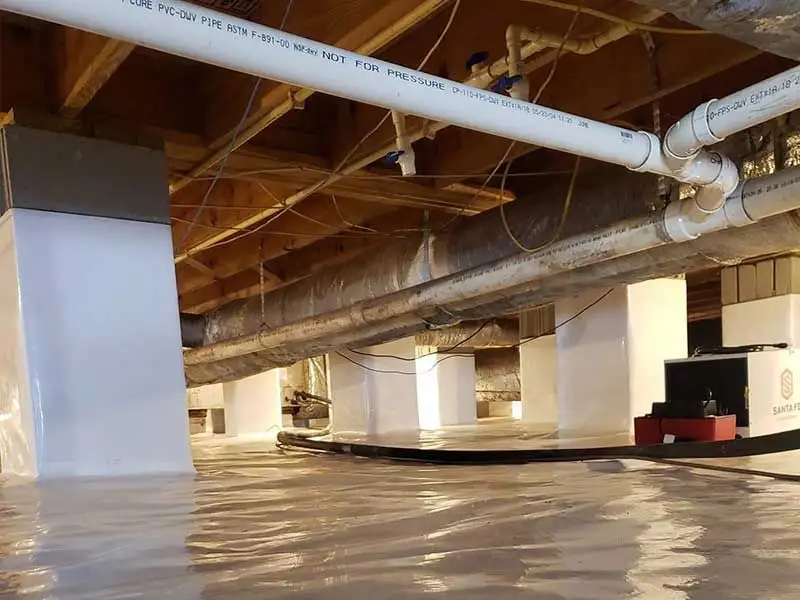
Basement restoration involves drying concrete foundations and wood framing with specialized tools, removing or replacing contaminated insulation, and addressing connected areas. If water reached your crawlspace, a certified team can handle that too.
The Hidden Costs of Waiting
Secondary damage spreads fast and becomes much more expensive than the original intrusion.
Mold escalation
Mold can colonize drywall, insulation, and even HVAC ducts quickly. By the time you notice odors or visible growth, the problem may be widespread—increasing your health risk day by day.
Material breakdown
Water-saturated wood loses strength. Floor joists sag, wall studs weaken, subflooring warps, metal fixtures rust, and adhesives fail. Electrical systems can develop corrosion that creates serious safety concerns.
Delays can complicate claims
Many insurers may deny portions of claims related to secondary damage if homeowners delay professional help. Getting experts involved immediately protects your home and your coverage—and helps preserve your financial investment.
Choosing the Right Restoration Team in the Denver Metro Area
Use these criteria to evaluate restoration providers.
Look for IICRC certification
IICRC certification indicates the company follows industry-standard protocols for restoration water damage. Also confirm proper licensing and comprehensive insurance coverage to protect you if something goes wrong during the job.
Speed, equipment, and monitoring
Ask: How fast can you respond? What equipment do you use? How do you monitor moisture levels? Many reputable companies offer free damage assessments, transparent pricing upfront, and a detailed restoration plan before work begins.
Get Professional Water Damage Restoration Service in Thornton, CO
When restoration water damage threatens your Thornton property, RestoreCo responds 24/7 with certified technicians and advanced equipment. Our IICRC-certified team handles everything, from initial water damage restoration through final repairs, insurance documentation, and claims assistance.
Call RestoreCo at (303) 868-1568 now for your free damage estimate, or schedule online today. It’s our pleasure to serve you!