
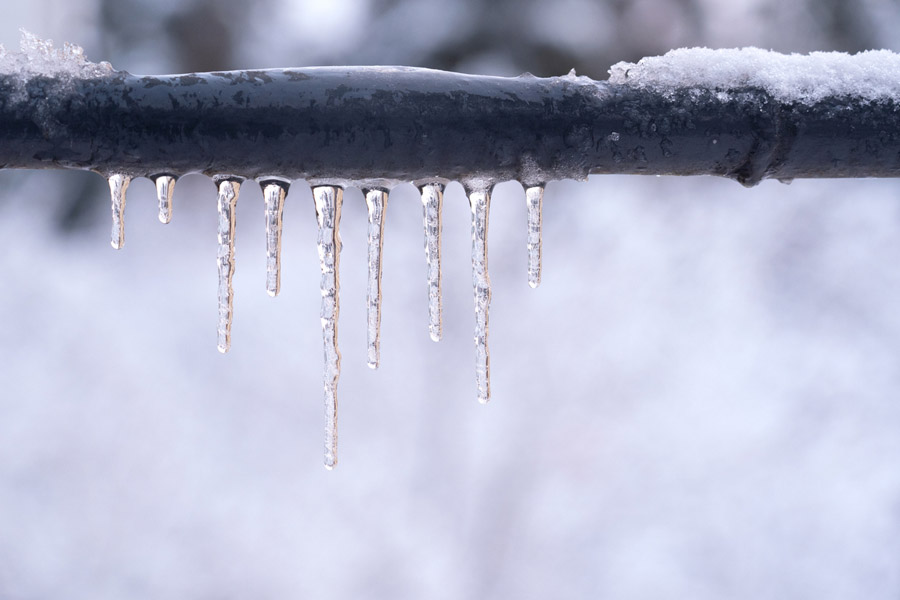
Denver Winter Prep: The Ultimate Pipe Protection Checklist
Insulate exposed pipes
Use foam sleeves or heat tape on pipes in basements, attics, garages, and crawl spaces.
Disconnect and drain outdoor hoses
Remove garden hoses and drain them to prevent interior wall damage.
Seal air leaks
Use caulk or insulation to block cold drafts where pipes enter walls or foundations.
Maintain consistent indoor temperature
Keep your thermostat steady day and night; let faucets drip slightly in cold snaps.
As winter approaches, the dropping temperatures bring a significant risk to your home’s plumbing. When water freezes inside pipes, it expands, creating immense pressure that can lead to cracks and devastating bursts. The resulting water damage can destroy flooring, ruin furniture, and lead to mold growth. Taking proactive steps to winter-proof your pipes is one of the smartest investments you can make as a homeowner. This checklist will guide you through the essential steps to protect your home.
Your Winter-Proofing Checklist
Insulate Exposed Pipes: Your first line of defense is insulation. Pipes in unheated areas like basements, crawl spaces, garages, and attics are most vulnerable. Use foam pipe sleeves or heat tape to wrap these pipes. This simple step helps maintain the water temperature above freezing.
Disconnect and Drain Outdoor Hoses: Before the first freeze, disconnect all garden hoses from outdoor faucets. If you don’t, water trapped inside can freeze and expand, damaging both the hose and the spigot, potentially causing a break inside your wall. Drain the hoses completely before storing them for the season.
Seal Air Leaks: Cold air can seep into your home through cracks and openings around pipes. Use caulk or insulation to seal any gaps in walls where pipes enter your home, especially in the foundation. This prevents drafts from freezing the pipes.
Maintain a Consistent Temperature: During a cold snap, keep your thermostat set to a consistent temperature day and night. While you might be tempted to lower the heat at night, a sudden drop in temperature could be enough to freeze vulnerable pipes. For extra protection, let faucets drip slowly to keep water moving.
When the Unexpected Happens
Even with the best preparations, accidents can occur. A burst pipe can release gallons of water in minutes, causing significant damage. If you find yourself facing this emergency, the most important step is to act quickly. First, shut off your home’s main water supply to stop the flow.
Then, you need professional help. Searching for burst pipe restoration nearby can feel overwhelming in a crisis. That’s where RestoreCo comes in. Our team specializes in rapid response and expert water damage restoration. We have the equipment and expertise to extract water, dry your property, and repair the damage efficiently.
Don’t let a burst pipe ruin your winter. If you need urgent assistance, contact RestoreCo immediately. We’re here 24/7 to restore your home and your peace of mind.