
A toilet that overflows and keeps rising is one of those problems that goes from annoying to alarming in about ten seconds. One minute, you are jiggling the handle; the next, water is spreading across the bathroom floor, and you are trying to figure out whether it is a simple clog or something backing up from the sewer line. That difference matters more than most homeowners expect because a clog can often be handled yourself, while a true sewer backup brings contaminated water into the house and calls for professional Arvada sewer backup services. This guide walks you through what to do in the first few minutes, how to tell the two problems apart, and when it makes sense to stop and call a professional.
Toilet Overflowing? Do This First
If you are trying to figure out what to do when a toilet is overflowing, the first move is to stop more water from reaching the bowl. Reach behind the toilet, find the shutoff valve near the floor, and turn it clockwise until it stops.
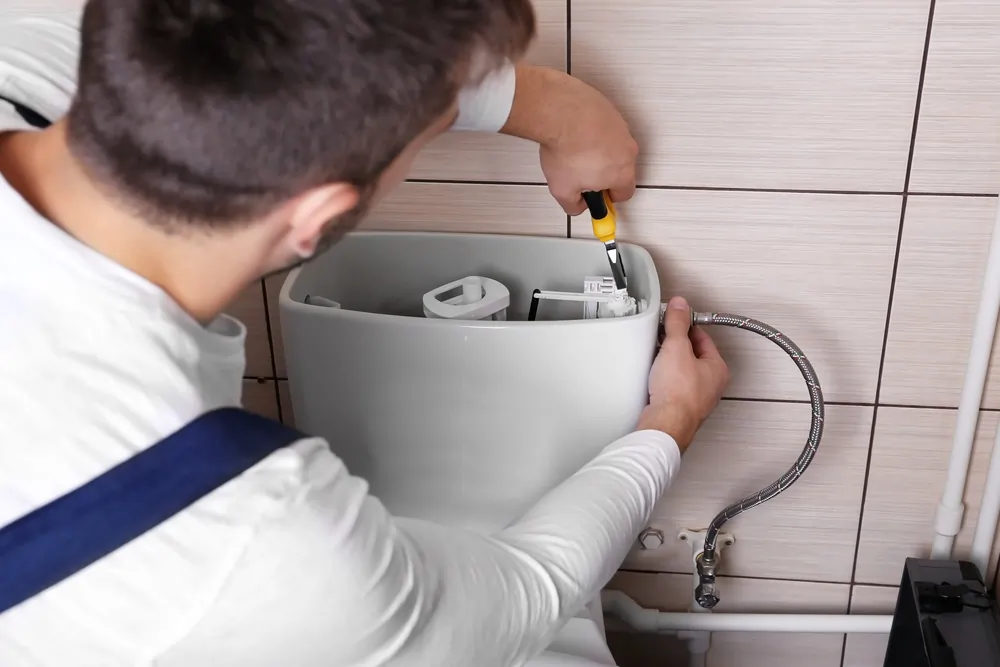
If the valve is stuck or you cannot reach it, lift the tank lid, push the rubber flapper down by hand to close it, and prop the float up so the tank stops refilling. Whatever you do, don’t flush it again. A second flush on a blocked line will only send more water over the rim.
Once the water stops rising, it’s time to clean up. Get towels, a mop, or a wet/dry vacuum into the room and begin the toilet overflow cleanup before water has a chance to soak underneath the baseboards.
Key Takeaway: What Should You Do First?
Shutting off the water and resisting the urge to flush again are the two most important steps for keeping a small overflow from turning into a flooded floor.
How to Stop the Flooding and Fix a Simple Overflow
When it comes to fixing an overflowing toilet, most cases involving a single toilet come down to a clog in the trap or the branch line serving that fixture. A good flange plunger can clear many of these clogs.
Here’s a quick guide to using a flange plunger correctly:
- Seat the plunger so it completely covers the drain opening at the bottom of the bowl.
- Make sure there is enough water to cover the rubber portion of the plunger, then use firm, steady strokes.
- If the water begins draining after a few rounds, the clog was likely local, and you are probably in the clear.
If the clog does not clear, you may want to try a closet auger. This short drain snake is designed specifically for toilets and can reach clogs that a plunger cannot without scratching the porcelain.
If the water still will not drain, it’s time to call for professional help. The problem may extend beyond the fixture itself, and forcing the clog can make the situation worse instead of better.
Toilet Overflow vs. Sewer Backup: How to Tell the Difference
The clearest way to tell a simple clog from a sewer backup is to watch what the rest of your drains are doing. A clog typically affects one fixture, while a sewer backup can affect several at once because the blockage is located in the main line shared by the home’s drains.
If flushing the toilet makes the shower drain gurgle, or running the washing machine pushes water up into a tub or floor drain, the problem may be farther downstream in the main line rather than isolated to the toilet.
Other warning signs that may indicate a sewer backup include:
- Gray or brown water coming back up: Water that is discolored or smells like sewage may be coming back through the drain line rather than simply overflowing from the toilet bowl.
- Multiple slow or gurgling drains: Drains throughout the house that empty slowly, gurgle, or bubble when another fixture runs may all be reacting to the same blockage. The lowest drains in the home, such as a basement floor drain or first-floor bathroom, often back up first.
A simple clog is primarily a plumbing problem, but a sewer backup can introduce contaminated water into your living space and should be treated accordingly. If you believe you are dealing with a sewer backup, call RestoreCo at (303) 868-1568. We’re here to help.
Key Takeaway: Clog or Sewer Backup?
One fixture acting up usually points to a local clog. Several fixtures backing up or gurgling together may indicate a problem in the main sewer line and require a different response.
Why a Sewage Backup Is a Biohazard You Shouldn’t Clean Yourself
Raw sewage is not simply dirty water. It can contain human waste, wastewater, bacteria, viruses, and other contaminants that can make people sick through exposure. The CDC provides guidance for dealing with sewage contamination, including isolating affected areas, removing contaminated materials when necessary, cleaning hard surfaces, and thoroughly drying the structure.
Porous materials such as drywall, carpet, padding, and insulation can absorb contaminated water, allowing moisture and contaminants to reach areas that household cleaning equipment cannot adequately address.
Cleaning up a sewage backup safely may involve removing materials that cannot be salvaged, sanitizing remaining surfaces, and drying the structure completely. This process often requires containment, commercial equipment, protective gear, and appropriate disposal procedures.
A thorough cleanup should also verify that affected areas are properly dried so moisture is not left inside walls, flooring, or other building materials. When prolonged moisture leads to mold growth, professional mold remediation in Arvada may become part of the restoration process.
Key Takeaway: Treat Sewage as Contaminated Water
If the water backing up contains sewage, keep people and pets away from the affected area and avoid attempting a standard DIY cleanup. Contaminated porous materials may require professional removal rather than simply being wiped down.
Find Arvada Sewer Backup Services Near You
Looking for local sewer backup services you can trust? RestoreCo provides professional sewage cleanup services throughout Arvada and the Denver metro area, helping homeowners with containment, water extraction, drying, and treatment after a sewage backup.
The cleanup process should address both the contaminated materials and the conditions that allowed the backup to affect the property. Depending on the situation, the underlying cause could involve a blocked sewer lateral, root intrusion, damaged piping, or an issue farther upstream.
Learn more about RestoreCo’s sewage backup cleanup services. If you are dealing with a backup right now, contact RestoreCo or call (303) 868-1568 to request an estimate for sewer backup cleanup in Arvada.
Why Sewer Backups Happen in Arvada
Sewer backups in Arvada can trace back to several local factors. Established neighborhoods such as Olde Town Arvada and areas around Applewood have mature trees, and tree roots can grow toward moisture in sewer laterals. Over time, roots may enter cracks or joints and restrict the line.
Older homes may also have aging sewer laterals that can crack, sag, corrode, or collect debris over time, creating conditions where blockages are more likely to develop.
Front Range weather can add additional pressure. Spring snowmelt and heavy summer downpours can increase groundwater and stormwater around drainage infrastructure. When a drainage or sewer system cannot keep up, backups may appear at the lowest drains in a property.
These problems do not always provide much warning, which is why a sewer backup can sometimes appear as a sudden toilet or floor-drain overflow without an obvious issue beforehand.
Arvada Sewer Backup FAQ
Is a toilet overflow the same as a sewer backup?
Not always. If your toilet overflows but every other drain in the house is behaving normally, the issue may be a simple clog affecting that fixture. A sewer backup is more likely when the blockage affects the main line and several drains begin backing up, gurgling, or draining slowly at the same time.
Can I clean up a sewage backup myself?
Sewage cleanup is not a typical do-it-yourself cleaning job. Raw sewage can contain harmful contaminants, and porous materials exposed to sewage may need to be removed rather than simply cleaned. Professional cleanup may require protective equipment, containment, commercial drying equipment, sanitization, and proper disposal procedures.
How much does professional sewage cleanup cost in Arvada?
The cost depends on how far the sewage spread, the materials affected, and how long the contamination remained before cleanup began. According to HomeGuide’s sewage cleanup cost guide, professional sewage cleanup averages about $7 to $15 or more per square foot, with many projects ranging from approximately $2,000 to $15,000 or more. A smaller area addressed quickly may cost less, while widespread contamination or extensive restoration can increase the total.
How do I know if the problem is my sewer line?
Watch for more than one fixture backing up, drains that gurgle, slow drainage throughout the house, and sewage odors. If flushing a toilet causes a tub, shower, or floor drain to gurgle or overflow, the issue may be located in a shared drain or main sewer line rather than in that single fixture.
Does homeowners insurance cover a sewer backup?
Coverage varies by policy. Some homeowners insurance policies exclude sewer or drain backups unless separate water-backup or sewer-backup coverage has been added. Review your policy or contact your insurance provider to confirm your specific coverage. If you need to file a claim, dated photos and a documented cleanup scope can help establish what occurred and what work was performed.
Who do I call for a sewer backup in Arvada?
RestoreCo provides sewage backup cleanup services throughout Arvada and the surrounding Denver metro area. Call (303) 868-1568 or contact the RestoreCo team online to request an estimate.
A backing-up toilet rarely happens at a convenient time, and contaminated water can spread quickly once it enters the home. Identifying whether you are dealing with a local toilet clog or a larger sewer backup can help you determine the right next step.
When you need professional Arvada sewer backup services, contact RestoreCo or call (303) 868-1568 for an estimate.